
Get your Intermediate First Aid (IFA / OFA Level 2) certification with Mainland Safety Training, a WorkSafeBC-approved IFA course delivered across BC. Approximately 14 hours of hands-on instruction, industry-expert instructors and a 3-year provincial certification. Open enrolment classes and onsite group training available anywhere in BC.
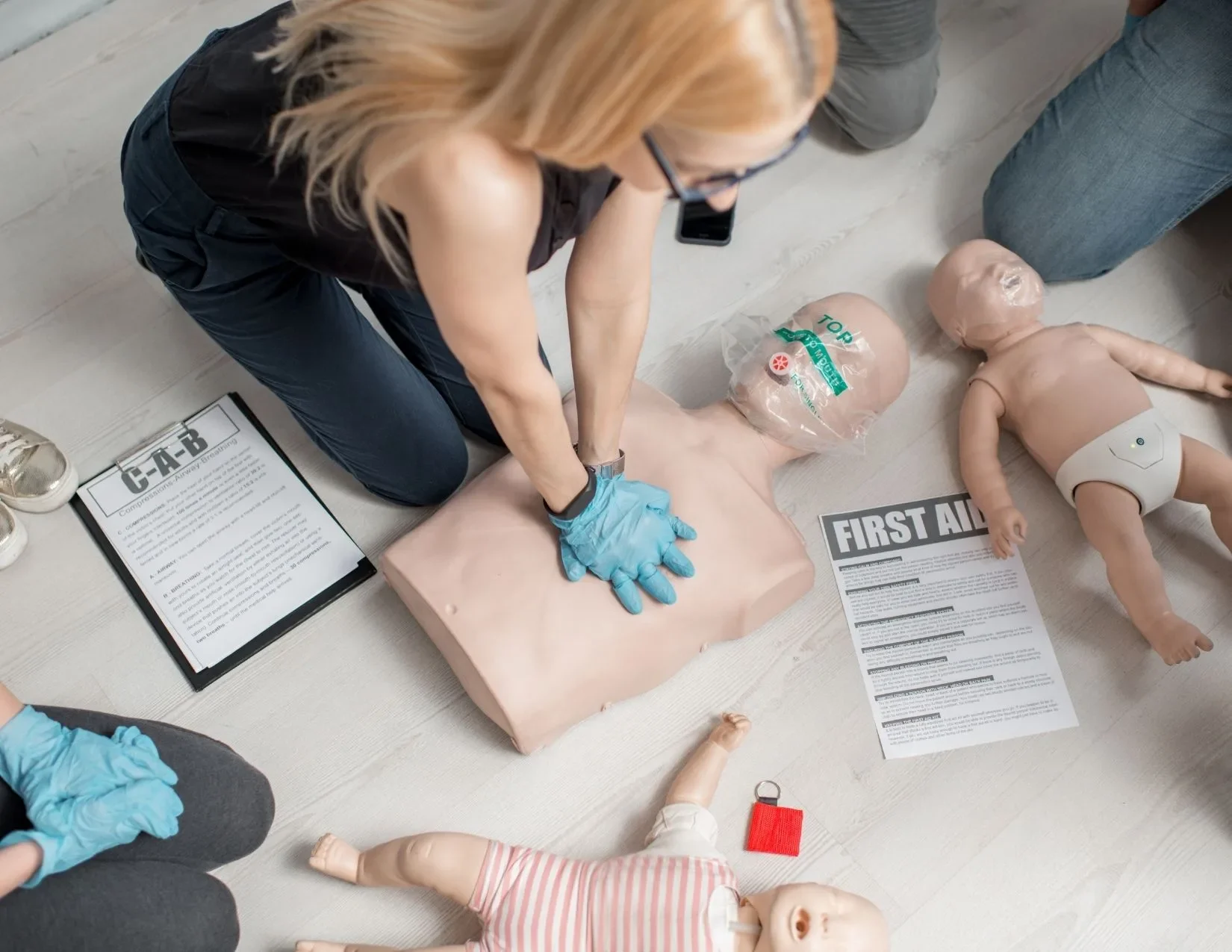
Everything you need to know about the OFA Level 2 intermediate first aid course offered by Mainland Safety Training across British Columbia.

16 hours of in-person instruction

WorkSafeBC recognized OFA Level 2 certificate

Personalized coaching from active paramedics

Open to anyone 16+ with workplace first aid needs
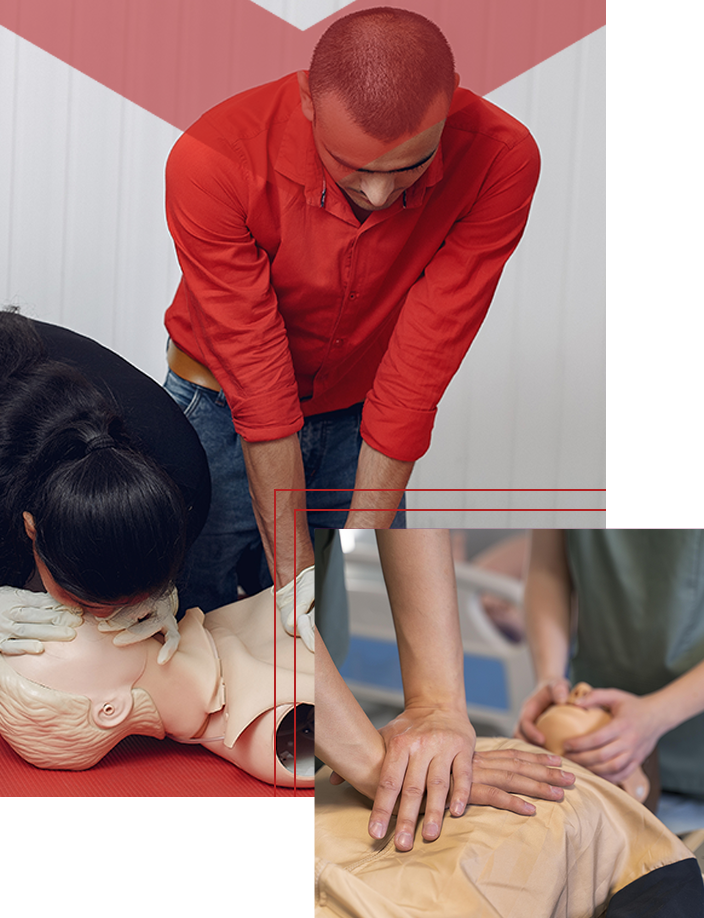
Mainland Safety Training has been certifying British Columbia workers since 2016, more than 20,000 students and counting. Our paramedic-led intermediate first aid course is the WorkSafeBC-approved OFA Level 2 program moderate-risk BC workplaces rely on.
Every class combines short classroom briefings with extended hands-on skill stations. You will practise, receive correction, and leave with real muscle memory, not just a piece of paper.
Register OnlineSince 2016, Mainland Safety Training has delivered practical, employer-recognized first aid courses to over 20,000 students across British Columbia. The intermediate first aid course bridges the gap between basic first aid and full OFA Level 3, it is the certification most BC employers ask for when workplaces carry moderate risk.
Your OFA Level 2 certificate is fully recognized across every BC workplace and meets WorkSafeBC's intermediate first aid attendant requirements.
Courses are taught by active paramedics and emergency medical professionals who bring real field experience to every lesson.
More than 60% of the intermediate first aid course is practical skill stations and scenario-based learning on modern equipment.
Intermediate first aid sessions are capped so every student gets direct instructor feedback and retakes skills until they are confident.
Walk away with a 3-year OFA Level 2 ticket that qualifies you as an intermediate first aid attendant for BC workplaces.
Multiple start dates every month, weekday and weekend intermediate first aid course options available at all eight Lower Mainland campuses.
The intermediate first aid curriculum is built around the competencies WorkSafeBC requires of Level 2 first aid attendants. Over two days you will practise the assessment, treatment and patient-handling skills most often needed in real BC workplace emergencies.
Systematic scene safety, mechanism of injury analysis and priority survey for life-threats.
One- and two-rescuer CPR, AED pad placement, rhythm analysis and troubleshooting.
Head-tilt chin-lift, recovery position, suction and basic airway adjuncts used by intermediate first aid attendants.
Assembly, safe delivery rates, non-rebreather and BVM ventilation for breathing emergencies.
Recognizing early and late shock and providing appropriate intermediate first aid interventions.
Direct pressure, tourniquet application, wound packing and dressings for major bleeds.
Manual stabilization, log-rolls and preparing patients for EMS transport.
Upper and lower limb splinting, slings and immobilization techniques.
Chest pain, stroke, seizures, diabetic emergencies and anaphylaxis for the intermediate first aid attendant.
Hypothermia, heat illness, burns and common BC outdoor workplace hazards.
Stretcher use, safe lifting and hand-off communication with paramedics.
Realistic multi-casualty scenarios and the WorkSafeBC OFA Level 2 practical exam.
WorkSafeBC requires employers with workplaces of moderate risk and specific crew sizes to have an OFA Level 2 certified attendant on site. The intermediate first aid course is the most common first aid certification requested for these BC industries:
Even where not strictly required, holding an intermediate first aid certificate is a valuable credential on any BC resume, employers regularly favour OFA Level 2 candidates because they can step into safety-sensitive roles without additional training.
Need to certify a whole crew? Mainland Safety Training delivers the WorkSafeBC-approved IFA / OFA Level 2 intermediate first aid course at your workplace, anywhere in British Columbia. Construction sites, manufacturing plants, warehouses, film sets, municipal yards, farms and remote camps are all welcome.
Tell us your crew size, preferred dates and location, we'll put together a custom onsite IFA training plan for your team and email you back within one business day.
Ready to book? Share a few quick details by phone or email:
Everything BC workers and employers commonly ask about the Intermediate First Aid (IFA / OFA Level 2) course.
The IFA course lasts approximately 14 hours of instruction, typically conducted over one or two days, excluding breaks.
Participants should be able to understand and perform first aid skills. No prior first aid training is required.
Successful participants receive a certification valid for three years. The course involves practical skills assessments and a written exam.
You must complete a full new IFA course to renew, as there is no recertification option for this course.
The IFA course is designed for workers, supervisors, safety personnel, or anyone in industry needing intermediate-level first aid skills, especially in environments requiring more advanced knowledge.
Scheduling varies by provider and location. Mainland Safety Training runs weekday and weekend IFA classes every month. Call 604-617-0211 or check current dates for upcoming intakes.
Expect classroom instruction, practical exercises, demonstrations, and assessments covering CPR, airway management, bleeding control, and patient handling.
The course involves kneeling, bending, and repositioning. Accommodations can be made for physical limitations, but demonstrating the skills is required for certification.
All necessary supplies are provided, mannequins, bandages, gloves, AED trainers, oxygen kits and first aid kits.
The course is divided into 12 modules covering scene assessment, airway management, bleeding, medical emergencies, environmental injuries and more.
Topics include primary and secondary surveys, airway obstruction, CPR/AED, bleeding, shock, burns, fractures, environmental injuries, medical conditions (stroke, seizures, diabetes) and other emergencies.
Adhesive bandages, gauze pads, dressings, antiseptics, gloves, masks, scissors, tweezers, cold/hot packs and first aid manuals.
Basic attendants hold an OFA Level 1 certificate. Intermediate attendants hold an IFA / OFA Level 2 certificate. Advanced attendants hold an OFA Level 3 certificate. Requirements depend on workplace classification and hazard level.
Requirements scale with workplace risk, from minimal first aid kits for small, low-hazard workplaces to fully equipped first aid rooms with multiple attendants for larger, higher-hazard Class 1–4 workplaces.
Designated treatment areas located near work zones, stocked with supplies and large enough to accommodate injured workers and first aid personnel.
When travel time to a hospital exceeds 2 hours, or as specified in the WorkSafeBC classification tables for larger workplaces.
Larger workplaces with high hazard ratings require multiple attendants, ranging from basic first aid attendants up to advanced attendants, with some workplaces requiring 2 or more on site.
It must safely transport injured workers, provide communication, protect from the elements, minimize jarring, and allow adequate space for first aid to be continued in transit.
Yes, remote workplaces require trained first aid attendants, specific supplies, and often a dedicated first aid room depending on crew size and hazard level.
Regularly, monthly, or before each shift, to ensure supplies are stocked, equipment is functional, and facilities are sanitary.
Higher-hazard workplaces require more comprehensive supplies, more trained attendants, and facilities such as first aid rooms, reflecting the increased risks on site.
Smaller, low-hazard workplaces may only need first aid kits. Larger or higher-hazard workplaces generally require designated first aid rooms.
To ensure BC workplaces are equipped with appropriate supplies, facilities, and trained personnel based on size, hazard rating, and classification.
Refer to the tables in WorkSafeBC's Schedule 3-A, considering your workplace's class, hazard rating, and number of workers. Not sure which level you need? Call Mainland Safety at 604-617-0211 and we'll help you figure it out.
"The intermediate first aid course at Mainland Safety was exactly what I needed. Two days, completely hands-on, and the instructor made sure every one of us could actually do the skills, not just recite them. Passed my WorkSafeBC exam with confidence."
"I was nervous going in, but the small class size made all the difference. Our instructor corrected my CPR technique in real time and walked us through realistic scenarios. Highly recommend Mainland Safety for OFA Level 2 training."
"I took my intermediate first aid renewal with Mainland Safety after a coworker recommended them. Clean facility, modern equipment and genuinely knowledgeable staff. Best OFA Level 2 course I've taken."
Mainland Safety Training offers the intermediate first aid course in ten cities across British Columbia, eight campuses in Metro Vancouver and the Fraser Valley, plus coverage for Kelowna in the Okanagan and Victoria on Vancouver Island. Every location uses the same WorkSafeBC-approved OFA Level 2 curriculum.
Seats fill quickly for Mainland Safety's OFA Level 2 intermediate first aid sessions. Reserve your spot online, or call us directly to get registered.
Register Online Call 604-617-0211Speak with the Mainland Safety Training team directly, we're happy to answer questions about scheduling, group bookings, or what to expect in the OFA Level 2 classroom.